


Strengthening women's participation in social processes, shaping feminist perspectives, and combating discrimination.
Goal
Ensuring that women and girls in Ukraine have access to quality medical and psychological care by supporting women-led initiatives, fostering leadership among women in the healthcare sector, and building healthy communities.
Objectives
- Expanding access to medical and preventive services for women and girls, especially vulnerable groups.
- Supporting and training female healthcare professionals to implement a gender-sensitive approach.
- Creating communities where women become health ambassadors, promoting prevention and a healthy lifestyle.
- Advocating for inclusive policies that consider the needs of women across different age and social groups.
- Restoring healthcare access in communities affected by the full-scale war.
How We Implement
the Women's Health and Leadership Initiative
Women's Leadership in a Healthy Community: A New Approach to Health Preservation
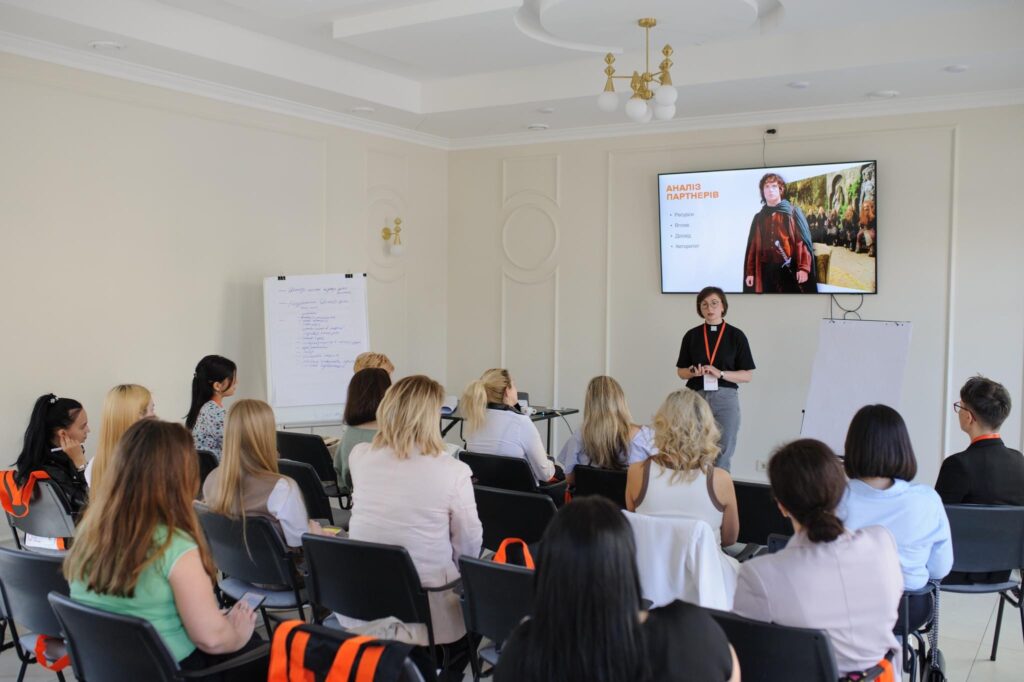
The Healthy Community – The Future of Ukraine project opens new opportunities for communities where local authorities, doctors, and civil society organizations collaborate to improve healthcare services and preserve human capital. A crucial aspect of this initiative is the active participation of women who take responsibility for shaping a health-conscious culture in their communities.
More About the Project
Engaging women's organizations in Fastiv and Yasinia has demonstrated that women not only organize support for others but also transform approaches to healthcare in their communities. As Ukraine faces demographic shifts—an increase in elderly populations and internally displaced persons, coupled with a shortage of medical professionals—women’s leadership has become a driving force for change.
Impact on the Community
- Establishing a new culture of health, where responsibility is shared not just by doctors but by the community as a whole.
- Developing initiatives targeted at women based on their real needs.
- Amplifying women's voices in decision-making on healthcare and social policies.
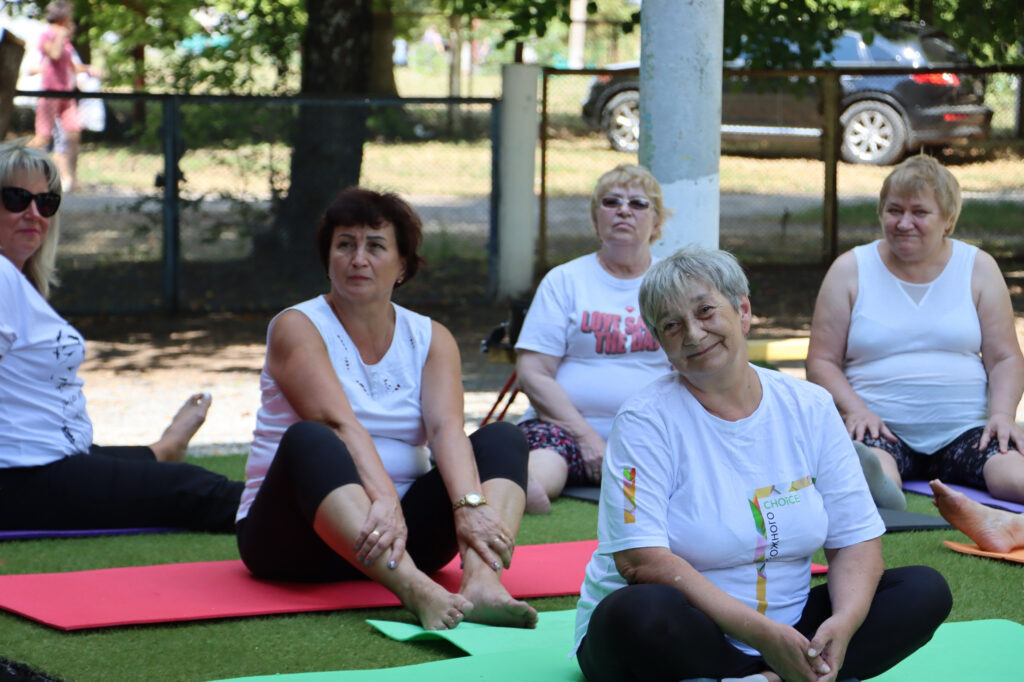
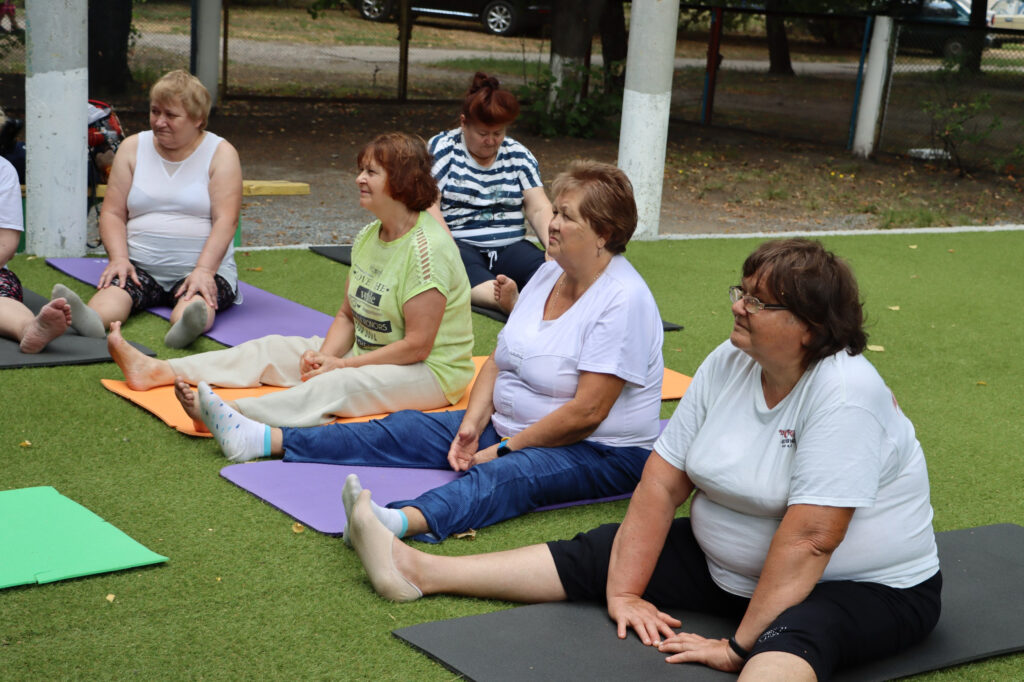
Women leading organizations that won mini-grants have implemented projects aimed at supporting women's health, psychological rehabilitation, first aid training, and access to medical services. In communities where women take on leadership roles, healthcare approaches become systemic, encompassing not just treatment but also prevention and psychosocial support.
Ensuring Access to Essential Medicine in Eastern Ukraine
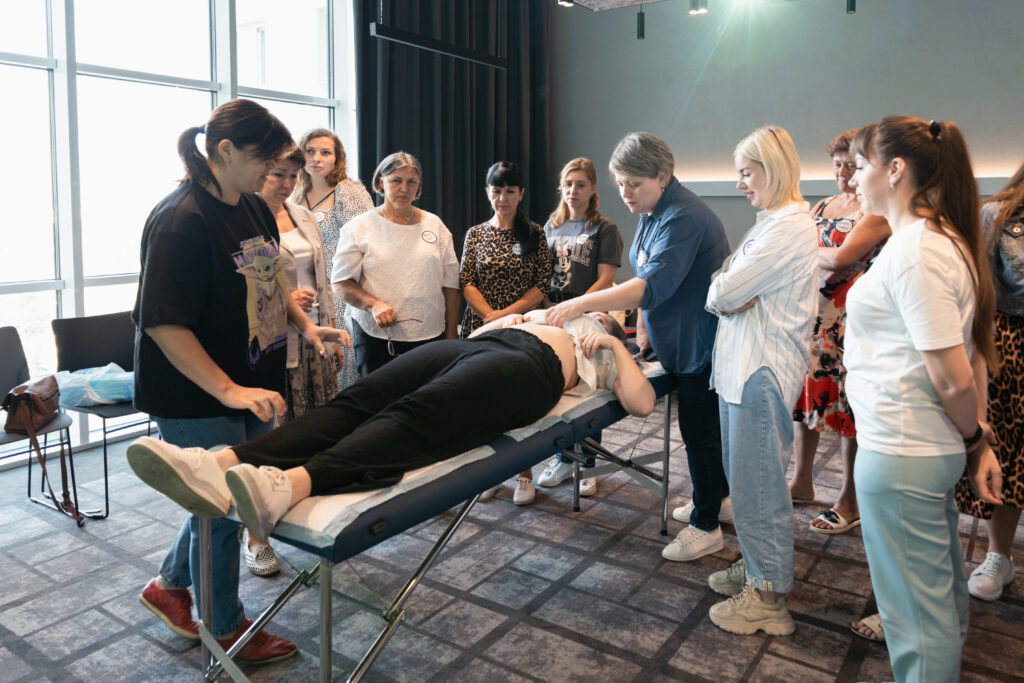
This project is being implemented in the Kramatorsk community in partnership with CARE. We support female healthcare workers, who constitute the majority of the personnel in mobile medical units and ambulance teams. Beyond humanitarian aid, we organize training and team-building activities to enhance professional development, emotional support, and leadership skills among nurses and doctors.
More About the Project
Mobile medical units travel across the Kramatorsk community and its remote settlements. These mobile clinics have become one of the only effective mechanisms for delivering healthcare services to people in frontline and recently liberated areas. The war has devastated the medical infrastructure: in many settlements, there are no functioning hospitals, primary care centers, local clinics, or even pharmacies.
The most vulnerable groups remain the elderly, people with limited mobility, and palliative patients. Special attention is given to elderly women who require access to quality medical care and psychological support.
Women's Voice and Leadership
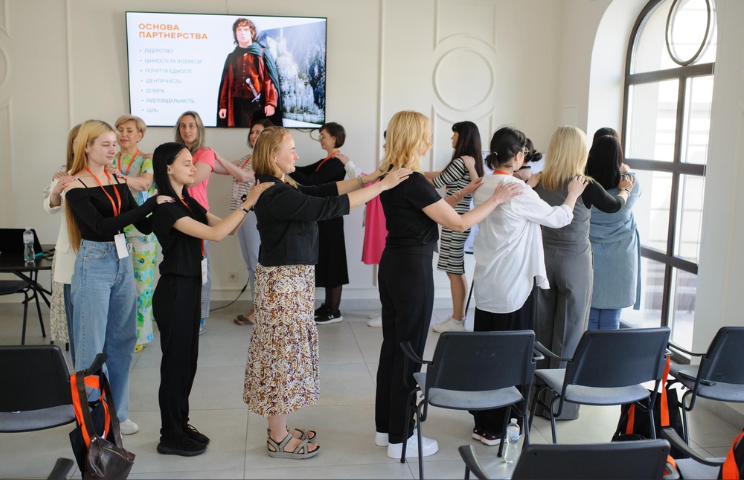
This project is implemented in collaboration with the Ukrainian Women’s Fund with support from the Government of Canada. It aims to:
- Establish cooperation between organizations, activists, and initiative groups.
- Build and strengthen coalitions of women-led NGOs and initiatives.
- Enhance advocacy skills at the community, regional, and national levels.
- Promote gender equality and advance feminist perspectives in society.
- Support women's organizations that work with vulnerable groups of women and girls.
- Increase the effectiveness of women's networks in influencing gender-sensitive policymaking in Ukraine.
More About the Project
Healing Architecture: How Space Affects Women's Health and Leadership
As part of the Health Solutions initiative, we view health not just as a medical issue but as part of a broader culture—one that includes space, safety, and inclusion. In collaboration with our partners, we are implementing the Healing Architecture project, which reimagines how urban and social spaces impact health.
More About the Project
A special theme of this initiative is women's health and the role of women in shaping new environments. The fifth episode of the Healing Architecture podcast focuses on women in urban spaces, their needs, and how women’s leadership is key to creating safe, comfortable, and inclusive cities.
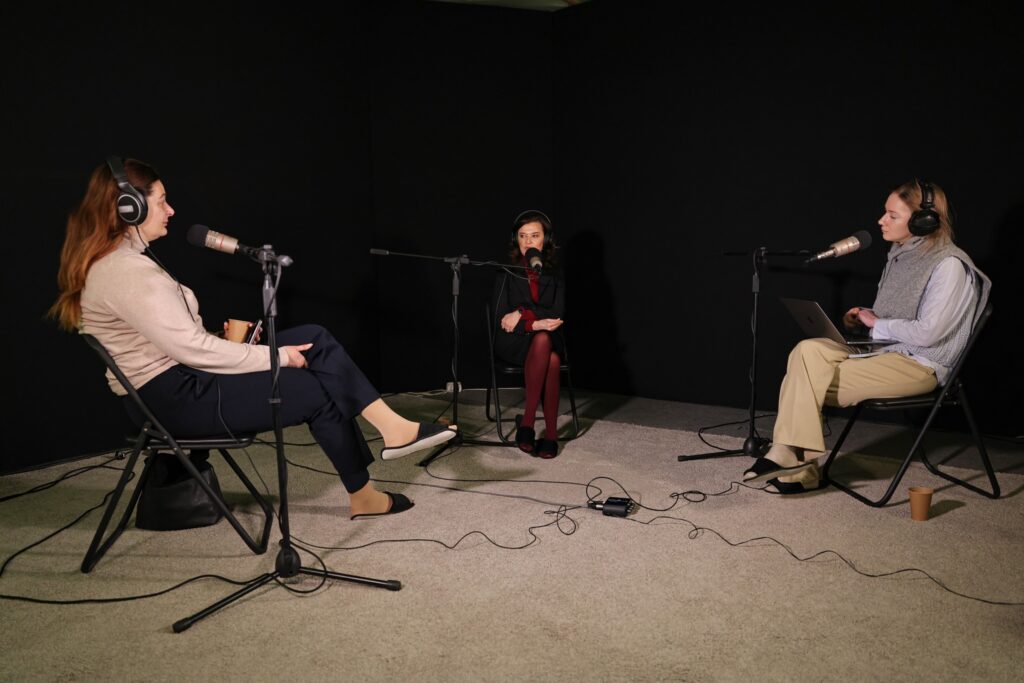
Highlights:
- Women and the Country's Reconstruction
100,000 women are currently serving in the Security and Defense Forces of Ukraine. Many are directly involved in military actions, while others contribute through volunteer work, healthcare, and community governance. Once an invisible part of society, women are now shaping the national agenda. That’s why their voices must be considered in the country’s rebuilding efforts. - Cities That Care for Women
Urban spaces still fail to accommodate women's needs—from street safety to access to healthcare services. We raise the question: how can we redesign the recovery process to ensure that cities work for women?
Achievements
- Successfully implementing the Healthy Community model in seven Ukrainian communities: Fastiv, Yasinia, Bucha, Skvyra, Mukachevo, Zlatopol, and Kramatorsk.
- Establishing and supporting a network of women leaders who strengthen the health of their communities.
- Training and upskilling female healthcare professionals in gender-sensitive medical approaches.
- Supporting women who have experienced gender-based violence by ensuring access to essential medical and psychological services.
- Influencing policymaking to prioritize medical and preventive measures for women and girls.
Plans
- Expanding the Healthy Community model to 30 communities, reaching over 500,000 women and girls.
- Raising awareness and increasing public engagement in building gender-sensitive healthcare systems.
- Preparing new health ambassadors who will influence their communities through education, preventive programs, and activism.
- Expanding training programs for female healthcare professionals, fostering their professional growth and leadership.
- Strengthening advocacy efforts to drive lasting changes in healthcare that address women's needs.
"Women's Health and Leadership" – where every woman has access to quality medical care, feels supported, and has the power to change her community for the better.