


The annual study aimed at determining the actual level of satisfaction of Ukrainian citizens with medical care.
"The Health Index. Ukraine" is a series of surveys aimed at studying satisfaction with medical care, attitudes towards healthcare system reform, healthy behaviors, experience with medical consultations, and healthcare expenditure in Ukraine.
During 2016-2024, a total of five waves of research were conducted, with data collection carried out by the Kyiv International Institute of Sociology in collaboration with the Center for Social Indicators. The research is longitudinal (repeated) in nature, utilizing identical methodology and tools, allowing for tracking changes in attitudes and experiences over time.
In the process of developing the research methodology, the experience of the European Consumer Health Index was utilized. This allows for a prolonged comparison of the development of healthcare systems across European Union countries, determining the most optimal path for further development. Additionally, Canadian experience in conducting similar research was taken into account.

The results of the "Health Index. Ukraine" study provide unique data that help us understand how the aforementioned conditions have influenced the attitudes, experiences, and behaviors of users of medical care and those who do not use it. Additionally, they measure the level of satisfaction of consumers of medical services, particularly in the dynamics of years and the geographical diversity of regions. These data are already being used to substantiate decision-making by the National Health Service of Ukraine, the Public Health Center, the Ministry of Health of Ukraine, as well as national experts, scientists, representatives of civil society, and our international partners. Furthermore, the data from the "Health Index. Ukraine" study serve as an incentive for further research on specific topics, including at the regional level.
Victoria Timoshevskaya
Health Index Report. Ukraine 2023: The Impact of War on Ukrainians' Health
The ongoing war in Ukraine continues to have a significant impact on the health of the population. The WHO team in Ukraine, focusing on health information and risk management, invites you to explore the results of the "Health Index. Ukraine" - 2023 study and compare them with previous, pre-war data.
Since 2016, a large-scale representative study has been conducted, covering around 10,000 Ukrainian households. In 2023, 9,200 respondents participated. The collected data provides crucial information on Ukrainians' health behavior, access to healthcare, healthcare expenses, and other related aspects.
This study was made possible thanks to joint funding from the World Health Organization (WHO) in Ukraine, the charity foundation "Health Solutions," and the World Bank.
The report includes data from the most war-affected regions, highlighting significant gaps in healthcare access and the needs within the healthcare sector.
Here are some key figures from the study:
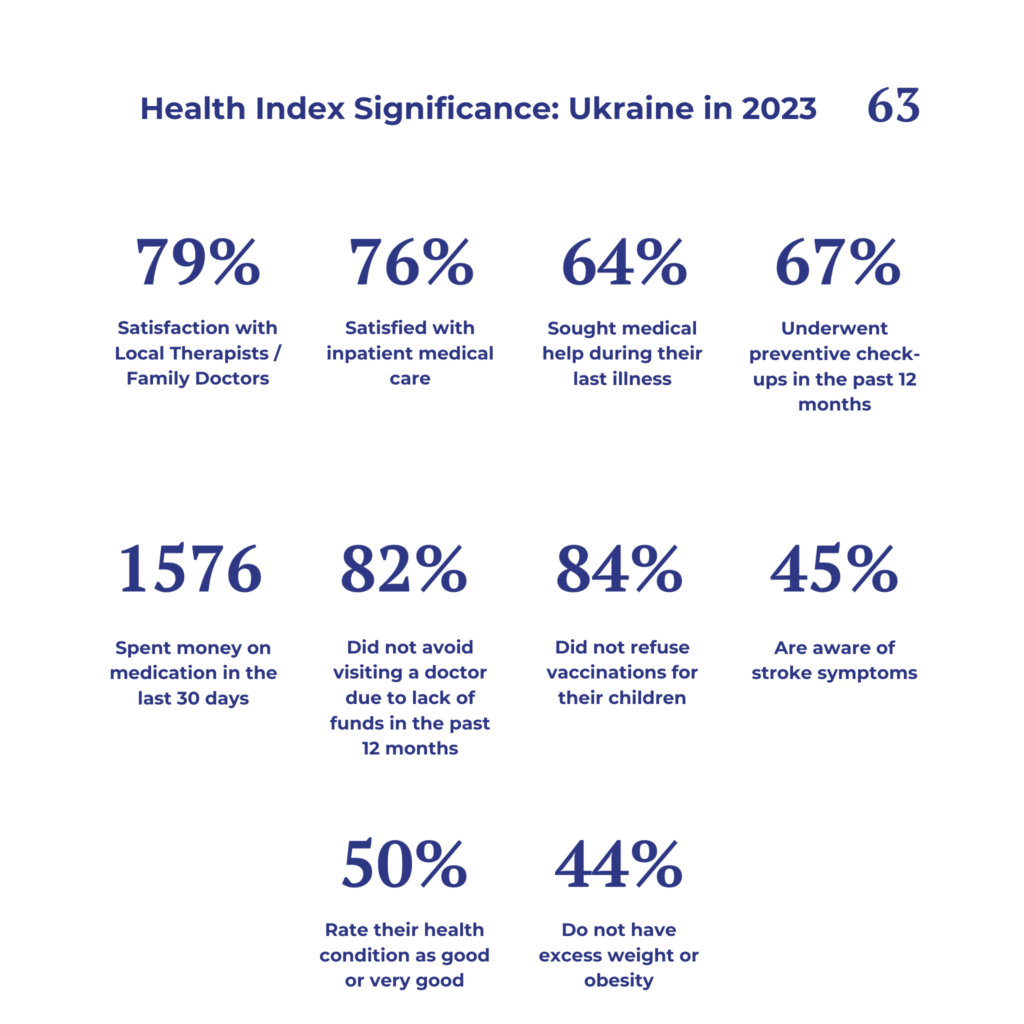
- Chronic Diseases: 41% of respondents reported having chronic diseases, with women (44%) more likely to suffer from them than men (37%). Hypertension is the most common chronic condition, affecting a quarter of respondents.
- Preventive Check-ups: 56% of respondents underwent routine check-ups, which is higher than in 2020. Women are more likely to undergo these check-ups than men. Such services typically include fluorography and electrocardiograms.
- Outpatient Care: 40% of respondents sought outpatient care, with women more likely to do so than men. 16% could not access care due to financial barriers. While outpatient treatment costs have decreased, the average expenses have risen.
- Medication and Inpatient Care: The cost of medications during outpatient and inpatient visits remains high. 12-13% of respondents do not purchase all necessary medications due to a lack of funds.
- Internally Displaced Persons (IDPs): IDPs face higher levels of stress, mental health issues, and financial barriers to healthcare compared to the local population. They are more likely to pay for outpatient care and are less likely to seek professional help for mental health problems.
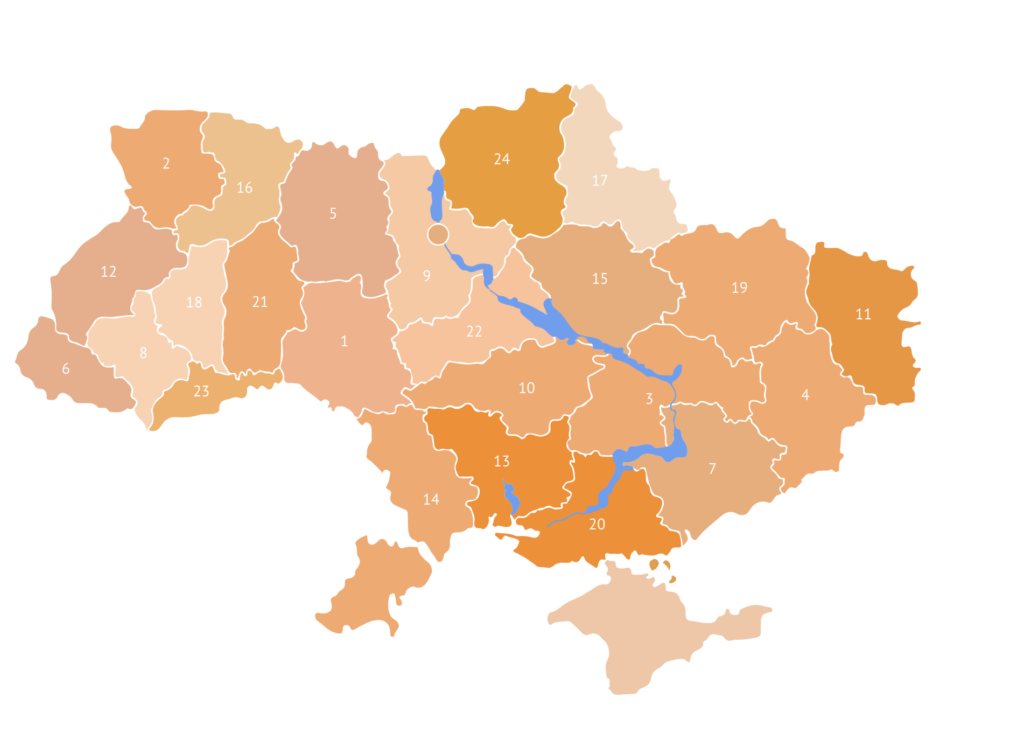
- Regional Differences: The rate of refusal of medical services related to the war is significantly higher in the most affected regions, such as Zaporizhzhia (18%), Kharkiv (24%), and Kherson (43%). Chronic diseases and stress are more prevalent in the eastern and southern regions.
This report emphasizes the importance of supporting access to medical services and reducing financial barriers to ensure the health of Ukrainians during the war.