In the near future, Parliament plans to consider the draft law "On Self-Governance of Medical Professions." This is an important step toward reforming Ukraine's healthcare system, which is set to fundamentally change the status of doctors and impact the protection of patients' rights. Following the fall of the Berlin Wall and the independence from Soviet legacy, most countries in Eastern and Central Europe almost immediately implemented medical self-governance.
In Ukraine, there have been six attempts over 32 years, with none successful. One reason for this is that Ukrainian doctors still "belong" to healthcare institutions and do not have the right to practice medicine independently, as they lack individual access to the profession. Consequently, they are not held accountable to patients; institutions take on that responsibility.
So, do doctors need the freedom to make professional decisions, the ability to independently influence their legal income, and the option to choose the institutions where they want to work? Can medical self-governance be implemented in Ukraine before doctors are provided with decent choices? How is this related to Eurointegration, and why are doctors from European medical chambers interested in establishing democratic medical self-governance in Ukraine?
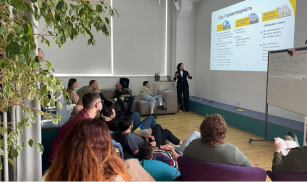
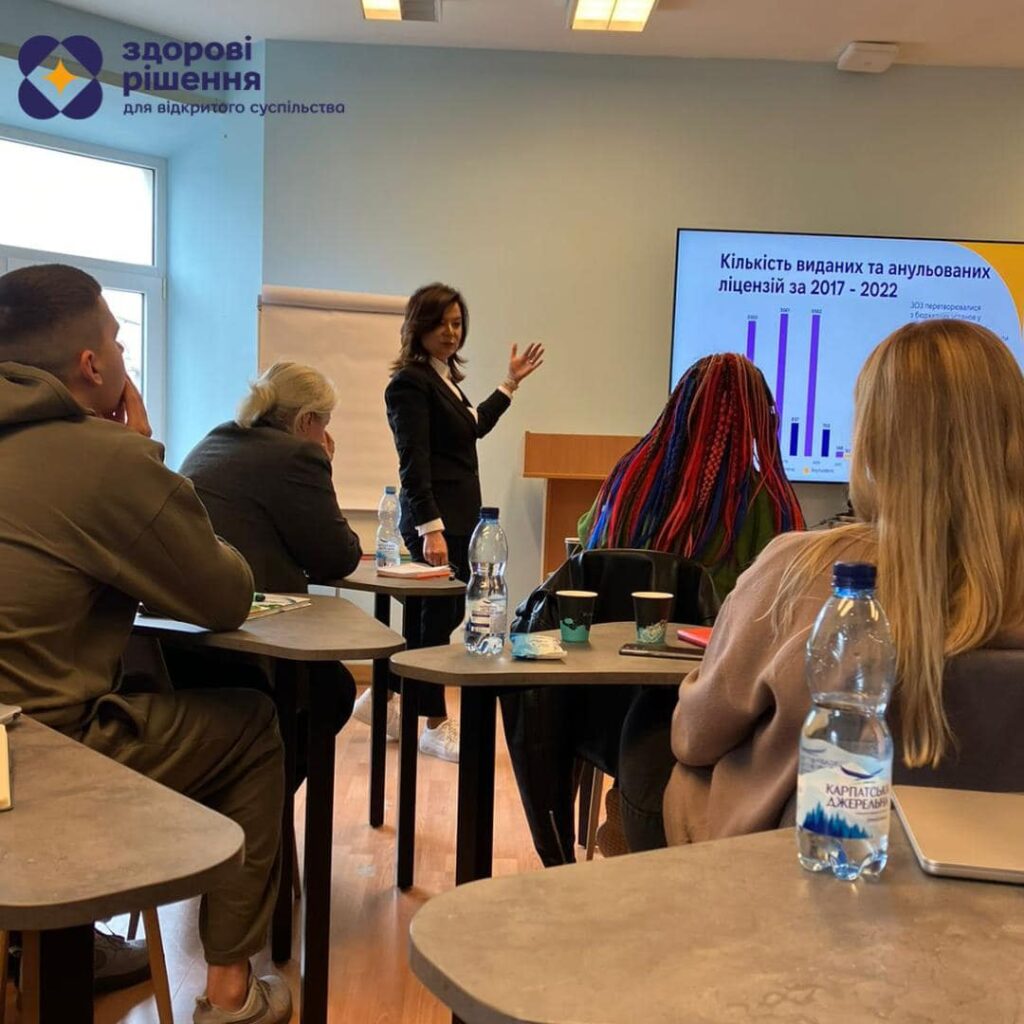
These and other questions were discussed with students in the Master’s program "Healthcare Management" during the lecture "Who Does the Ukrainian Doctor Belong To?" by Tetiana Havrysh, co-founder and Director of Strategic Development at Health Solutions Foundation.
If you are looking to take your first steps in healthcare management, the Master’s program "Healthcare Management" is your opportunity to expand your knowledge and deepen your understanding in this field. We invite you to join the program and become part of the changes in Ukraine's healthcare system. Registration for the program opens on May 7. All additional information regarding the Master’s program, admission, and scholarships can be found in the Facebook post below.