Ця публікація також доступна такими мовами:
 Українська (Ukrainian)
Valuable Experience from Israel for Creating a New Veteran Rehabilitation System
The Health Solutions Foundation, as part of a study supported by Isar Ednannia under the Civil Society Sectoral Support Initiative project, continues to explore the experiences of foreign warring countries to develop a person-centered model of veteran rehabilitation in Ukraine.
To create a quality and understandable rehabilitation model, a comprehensive vision of the system and consideration of the experiences of other countries with relevant practices are essential. This involves studying and understanding rehabilitation approaches that could be valuable for our system. In this regard, Israel’s experience is particularly useful for Ukraine, as this country lives under constant neighboring terror and aggression.
In Israel, there is no concept of "before war" or "after war," as citizens live on the front lines all the time. Attempts by neighboring countries to undermine Israel have persisted since the state’s creation, resulting in every generation having its own combat experience. The majority of Israelis, including women, serve in the army. Military personnel are encouraged in various ways, such as through educational benefits and annual payments.
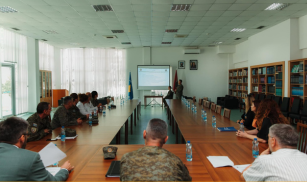
To thoroughly analyze Israel's experience in building a quality rehabilitation system for military personnel, experts from the Health Solutions Foundation held a working meeting on November 21, 2023, with Alexander Gershanov—an Israeli expert and psychotherapist with over 20 years of experience working with the traumatic experiences of military personnel. Since 2014, Alexander has been visiting our military on the front lines, providing comprehensive expert support for building a modern psychological support system for military personnel in Ukraine.
Here are key approaches to veteran rehabilitation in Israel that could be valuable to consider when reforming the Ukrainian system:
- Integration with Society: Rehabilitation cannot occur in isolation from society; isolating military personnel in spa facilities or military hospitals will not yield the desired effect. It is essential to consider treating military personnel in regular civilian hospitals.
- Social Component Inclusion: The rehabilitation process must include a social component. A comprehensive system of social workers (case managers) should be created to act as "guides for veterans" throughout their rehabilitation.
- Multidisciplinary Approach: Quality rehabilitation requires a multidisciplinary approach, involving specialists from various fields.
- Salutogenic Approach: The foundation of rehabilitation should be a salutogenic, rather than a pathogenic, approach to the veteran’s health. Salutogenesis focuses on factors that support health and well-being, rather than those causing illness (pathogenesis). In simple terms, stress is not always harmful, as successfully overcoming a crisis can lead to positive experiences. A crisis can be viewed as a challenge for a person to learn to function effectively despite adverse life conditions and turn stress to their advantage.
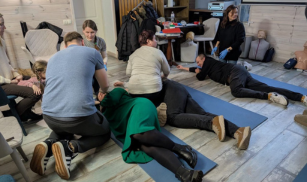
- First Line of Psychological Support: A feasible option is to create a "first line of psychological support" by training those in direct contact with military personnel in basic psychological first aid techniques, which would help reduce trauma levels. For instance, training commanders in these techniques could prevent the development of PTSD in military personnel. Our goal is to ensure that military personnel do not need psychologists in the future, meaning that psychological support should begin "on the battlefield" through communication with commanders, officers, and others who have received appropriate training.
Implementing these approaches in Ukraine would enhance the effectiveness of rehabilitation and social adaptation for war veterans.