

Ця публікація також доступна такими мовами:
 Українська (Ukrainian)
Recently, the Health Solutions team, along with Patients of Ukraine, visited Kosovo to learn about the country's experience in rebuilding its healthcare system after the war. The Ukrainian delegation participated in the 31st Symposium of the Central and Eastern European Chambers of Physicians (ZEVA), held in Kosovo. This annual event is an important platform for exchanging experiences and discussing shared issues among medical self-governance representatives from Central and Eastern European countries. Ukraine’s participation in this symposium was a significant step, as the country is facing similar challenges in post-war recovery.
ZEVA Symposium: A Platform for Medical Reform
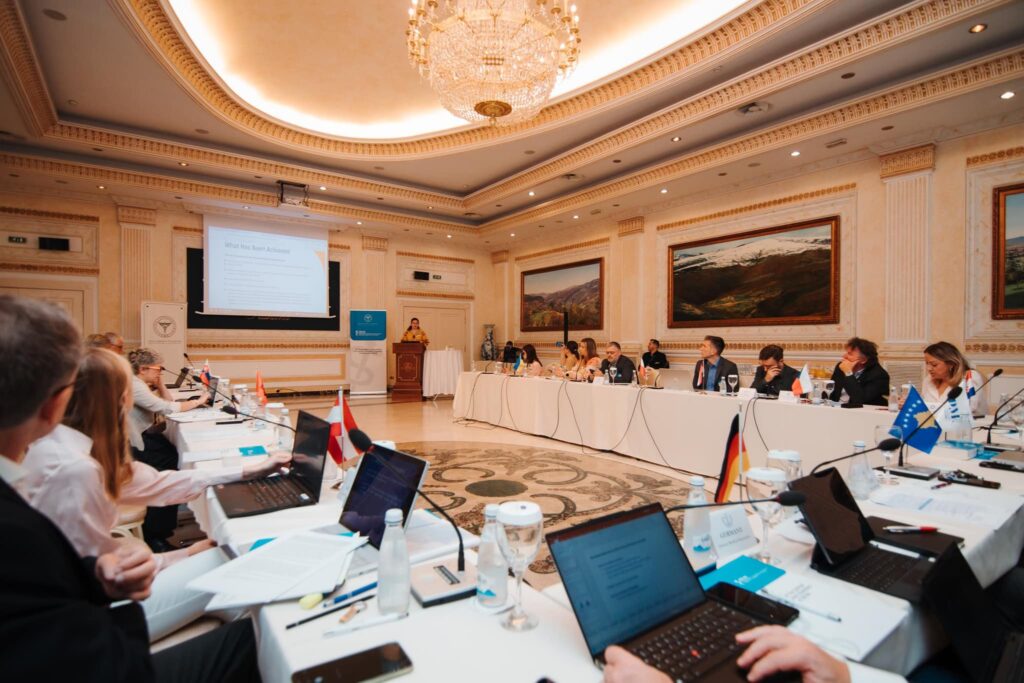
The Symposium of the Central and Eastern European Chambers of Physicians is an annual event that brings together representatives of medical associations, physician chambers, healthcare organizations, and governmental bodies from across Central and Eastern Europe. The goal of the symposium is to discuss key issues affecting the medical profession, including reforms, ethics, licensing, education, and to exchange experiences in solving healthcare-related legal and organizational challenges.
This year’s symposium in Kosovo became an essential platform for knowledge-sharing between countries that have experienced wars or socio-economic crises. Ukraine’s participation in the event helped gather valuable insights and proposals for the country, which is in the midst of active post-war recovery. The discussions focused on issues such as medical self-governance, healthcare professional development, ethics in medicine, and the importance of creating effective mechanisms for ensuring access to quality healthcare at all levels of the system.
Kosovo: Experience of Recovery and Medical Self-Governance
Kosovo, which experienced a war in the 1990s, is now a model of successful healthcare system recovery post-conflict. After the war ended in 1999, the country had to rebuild its healthcare infrastructure almost from scratch. Prior to the war, Kosovo had a centralized healthcare system similar to the Semashko model, but after 1989, it was integrated into the Serbian model, which led to significant issues in the healthcare sector and the mass firing of medical personnel. Following the war, Kosovo began rebuilding its healthcare system, focusing on decentralization and medical self-governance.
Lessons for Ukraine: Decentralization and Medical Self-Governance
One of the most significant reforms in post-war Kosovo was the decentralization of the healthcare system. Municipalities gained the right to independently manage primary healthcare in their areas, which allowed for a more flexible response to local needs and significantly increased the efficiency of healthcare service delivery at the community level. This experience is highly relevant for Ukraine, which will also face significant regional disparities in healthcare needs after the war. Kosovo’s example shows that decentralizing healthcare services can help adapt the system to local realities and speed up its recovery.
Another key achievement for Kosovo was the establishment of medical self-governance through the creation of the Medical Chamber. This body is responsible for licensing healthcare professionals, overseeing their activities, and organizing continuous professional development. Ukraine should also consider the possibility of creating such self-governing bodies to improve the quality of medical services and ensure transparency in healthcare delivery.
Human Resources Challenges and the Outflow of Medical Workers
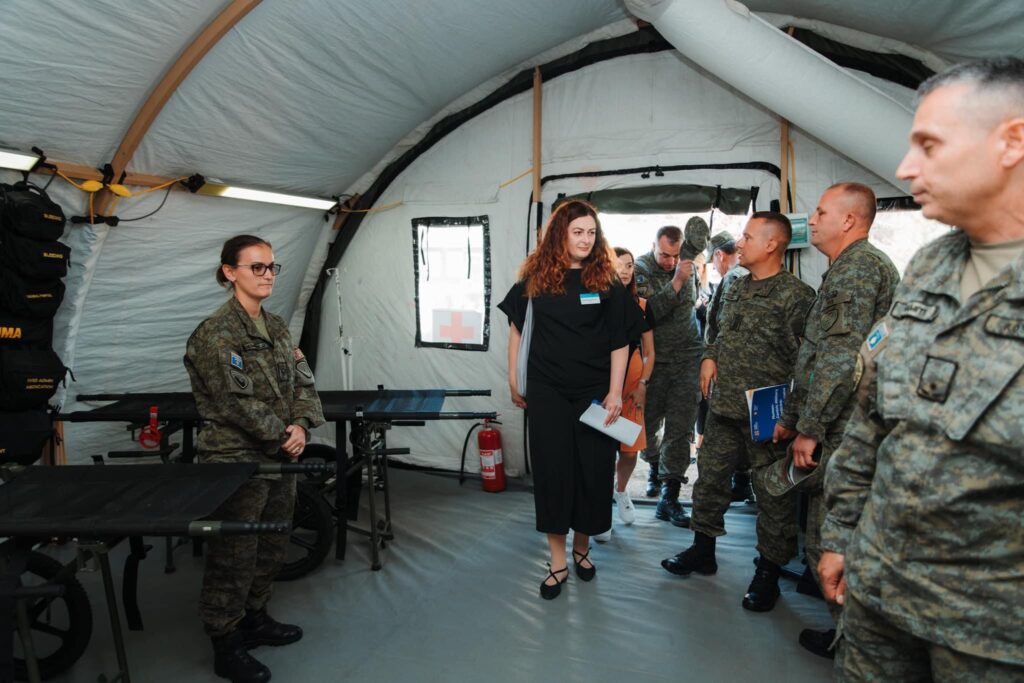
Post-war Kosovo faced a significant shortage of healthcare professionals, as many doctors left the country. This created additional challenges in rebuilding the healthcare system. Ukraine is already experiencing a similar outflow of medical professionals, and the situation could worsen after the war. Therefore, one of the critical strategies for Ukraine is to develop programs that encourage doctors to stay in the country, such as improving working conditions, raising salaries, and offering better opportunities for medical workers at the local level.
International Aid: Challenges and Lessons Learned
International aid played a key role in Kosovo’s healthcare recovery, but some programs faced challenges due to a lack of consideration for local realities. Ukraine, which will also rely heavily on international aid for rebuilding its healthcare infrastructure, can learn from Kosovo’s experience. It is crucial to ensure that international assistance is tailored to meet the real needs of the population, rather than imposing generalized solutions that may not be effective.
Key Lessons for Ukraine
- Decentralization of Healthcare Services. Kosovo demonstrated that decentralization is an effective way to improve the quality of healthcare services. Ukraine should consider granting municipalities more autonomy in managing healthcare institutions.
- Creation of Medical Chambers. Establishing independent medical chambers is an important step toward ensuring transparency in healthcare services and improving their quality. Ukraine should plan a gradual transition to medical self-governance, ensuring financial independence for newly established chambers.
- Human Resources Strategy. To avoid a mass outflow of medical professionals, Ukraine must develop programs that motivate them to remain in the country and work in local communities.
- Funding and International Aid. The government must ensure transparency in the use of funds allocated for healthcare recovery and avoid the inefficient application of resources, as was the case in Kosovo.
Participation in the ZEVA Symposium and learning from Kosovo’s experience were essential steps for Health Solutions and Patients of Ukraine in their work toward healthcare recovery in post-war Ukraine. The lessons learned from Kosovo can be instrumental in building a more effective, transparent, and equitable healthcare system that meets the needs of all citizens, particularly those affected by the war.
Also on the subject in the library
The Reports of the Healthy Solutions Foundation
Transformation of the military medicine system
Time of Crisis, Time of Opportunity: Report on Healthy Solutions' Work in 2024
18.04.2025
Research
Transformation of the military medicine system
Human Centric Military Medicine: Comprehensive View
22.08.2024