

Since the beginning of the full-scale invasion, there has been more than a threefold increase in the number of servicemen convicted under articles of the Criminal Code related to drugs – from 9.73% in 2022 to 24.72% in 2024.
These are the findings of a study conducted by the UCU Law School in partnership with the Health Solutions Charitable Foundation.
The UCU Law School manually analyzed 3,388 court rulings concerning drug-related offenses among Ukrainian servicemen from 2013 to 2024.
The data indicate that law enforcement efforts are shifting away from investigating dangerous and complex crimes toward so-called “easy targets” – cases that are easy to register, quickly send to court, and conclude with a conviction.
For example, under Article 307 of the Criminal Code of Ukraine (possession with intent to sell), before 2022 there was an average of 10 convictions per year; in 2024, this number rose to 35.
Under Article 309 of the CCU (possession without intent to sell), there had been on average 67 convictions per year before 2022; in 2024, the figure skyrocketed to 1,571.
This is referred to as the primitivization of crime prevention. It highlights the risk of criminalization instead of resocialization. The system does not always distinguish between behaviors requiring medical, psychological, or social responses and genuine criminal threats. Court rulings rarely assess whether these individuals are registered with a narcologist or psychiatrist, or undergoing treatment.
The majority of those convicted are rank-and-file servicemen who had no prior conflicts with the law. In other words, war and the stress associated with it may act as catalysts for developing addiction.
The data also show that 98% of convicted servicemen for drug offenses are users, not dealers. Convictions under these articles are more frequent among military personnel in frontline regions.
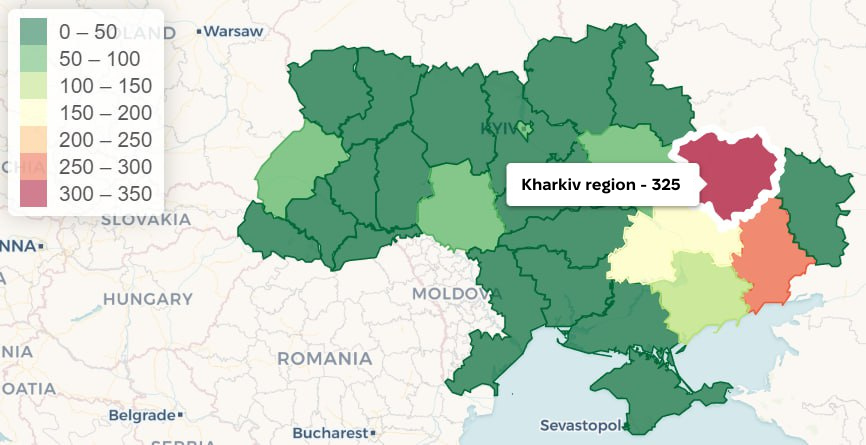
Since 2023, the highest figures have been recorded in Donetsk, Kharkiv, Zaporizhzhia, and Dnipropetrovsk regions. This reflects rising socio-behavioral risks associated with combat stress, post-traumatic conditions, and a lack of adequate psychological and social support.
In 79% of court rulings on military personnel and drugs, the punishment was a fine. In more than 2,300 rulings, courts imposed the lowest possible fine for possession – most often 8,500 UAH. The court has the authority to require treatment, but this tool is rarely applied. In only a few dozen rulings did courts (which are free to determine mitigating circumstances) recognize military service, combat conditions, veteran status, or participation in hostilities as such circumstances.
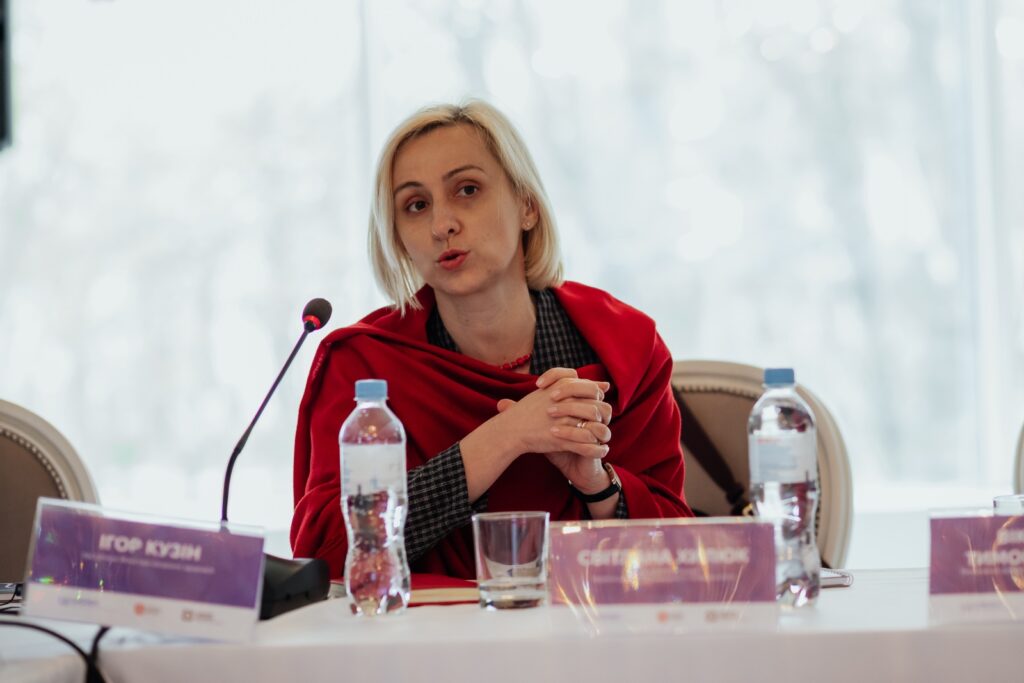
“From the study it appears that we are not solving the problem and not even fighting it. Simplified procedures and formal punishments dominate.”
Svitlana Khyluk, Head of the Department of Theory of Law and Human Rights at UCU
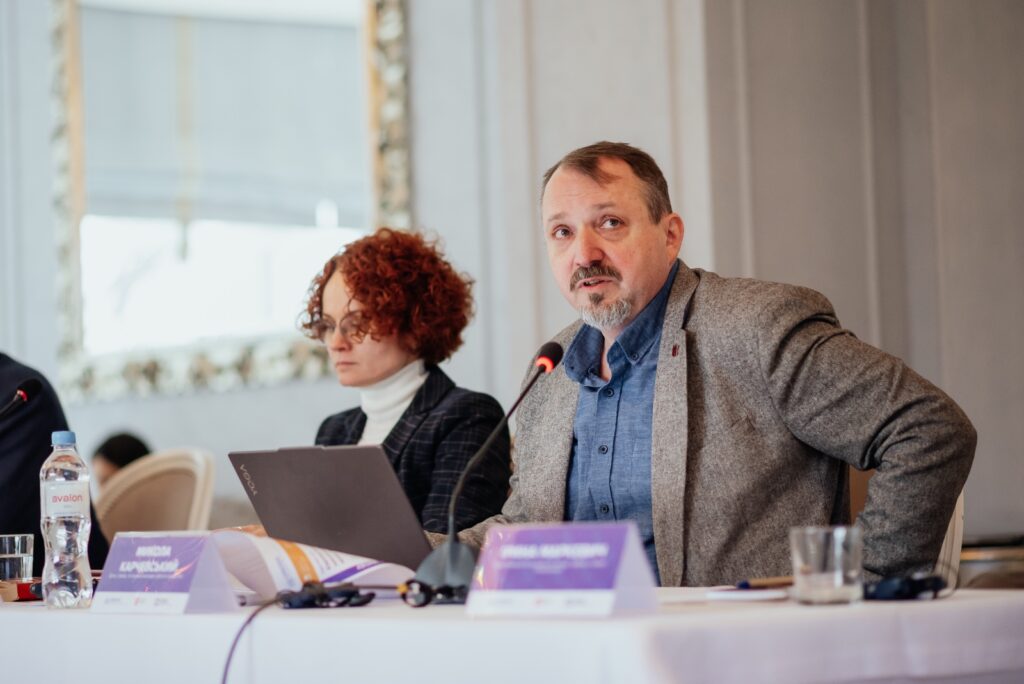
“If the current approach persists – applying repressions and punishing users – then drug control becomes a source of new risks. First of all, this means the criminalization of servicemen, which creates additional barriers to their reintegration into civilian life.”
Mykola Karchevskyi, co-author of the study, Professor at the Department of Law and Public Administration, King Danylo University.
The full study with proposed solutions is available here.
You may be interested
Analytics materials
Humanization of the State’s Drug Policy
Treatment, Not Punishment: Why Ukraine Must Rethink Its Drug Policy
24.06.2025
News
Humanization of the State’s Drug Policy
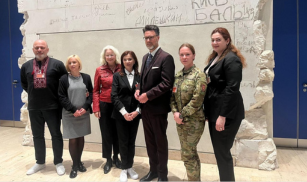
To Help Ukraine Stand Strong, We Need Comprehensive Support: "Health Solutions" Advocacy Visit to Germany
02.06.2025