In Zhytomyr region, protesters threw the acting hospital director into a dumpster over a decision to merge the neurology and internal medicine departments.
The hospital is part of the capable network and has general status, which means it must provide neurological care. This service would have remained in place even after the merger. Serhii Demus tried to explain what benefits the merger could bring and that patients would not lose access to care, but protesters were not convinced.
The incident sparked outrage not only among patients, but also among medical professionals, who are increasingly vocal about their vulnerability within the system.
We asked three of our legal experts to explain what happened from a legal standpoint — and what needs to change for doctors to feel properly protected.
Could the Assault Have Been Prevented?
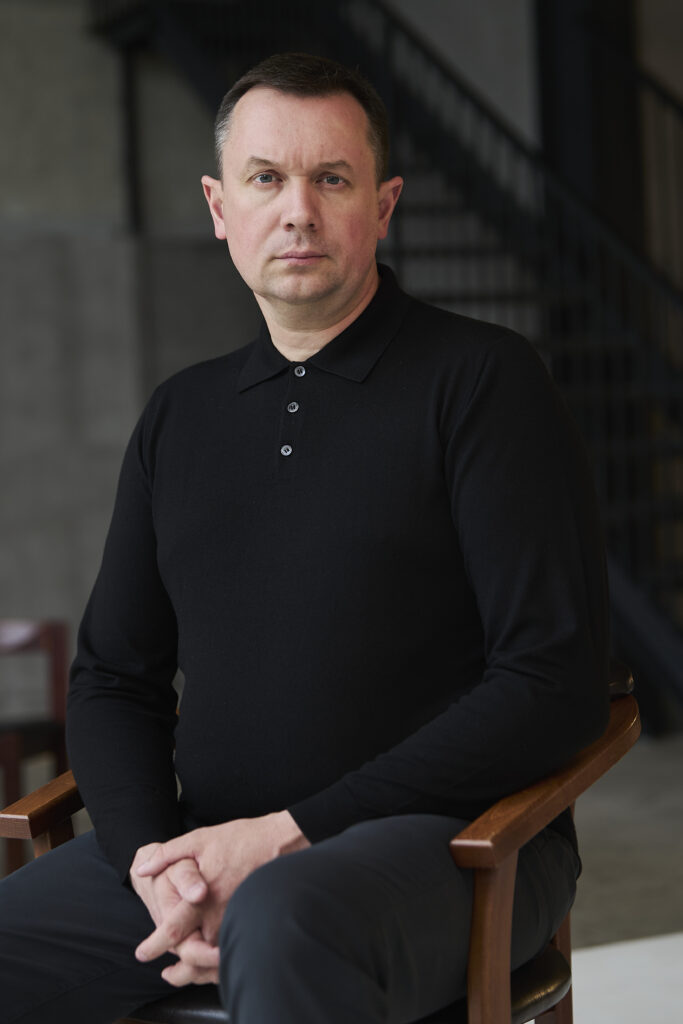
“This method of ‘dumpster lustration’ was established in Ukraine during the Maidan protests, when the public demanded the resignation of compromised officials. What happened in Zhytomyr fell completely outside the law. The protest should have been authorized by local authorities. The city council was supposed to notify the police, the Security Service, the hospital, the Ministry of Health, and others. The gathering should have been peaceful, and everyone involved was required to act within their powers. Once physical force was used against the doctor, the police should have been present and stopped it. This is a matter for the police, and appropriate charges should be filed.
Because how is any ordinary doctor supposed to feel safe, seeing what happens to a hospital director?” Oleksii Kharitonov - legal adviser at Health Solutions Foundation
A criminal investigation has already been launched, currently classified under Article 126, Part 2 of the Criminal Code of Ukraine (beating and abuse). An inquiry is underway.
Could the Director Unilaterally Close a Department?

“A municipal healthcare facility has an owner — the local government.
Typically, local councils delegate management authority to the hospital leadership.
Some interpret this to mean that staff structures and departments must be approved by the council, while others see it as the exclusive right of the hospital director. In this case, the statute itself presented a legal conflict. One clause states that the owner approves the creation of branches and departments; another allows the director to independently determine the hospital’s internal structure. This legal ambiguity often leads to serious consequences.Should every management decision be approved by the local council? That’s doubtful. Requiring such approvals could paralyze the hospital’s operations. Say a hospital wants to expand its services, has found qualified staff, but needs structural approval. If the council’s opposition blocks the move, nothing changes.” Oleksii Holovin - сhief legal adviser at Health Solutions Foundation
Why Do Doctors Across the Country Feel Powerless?
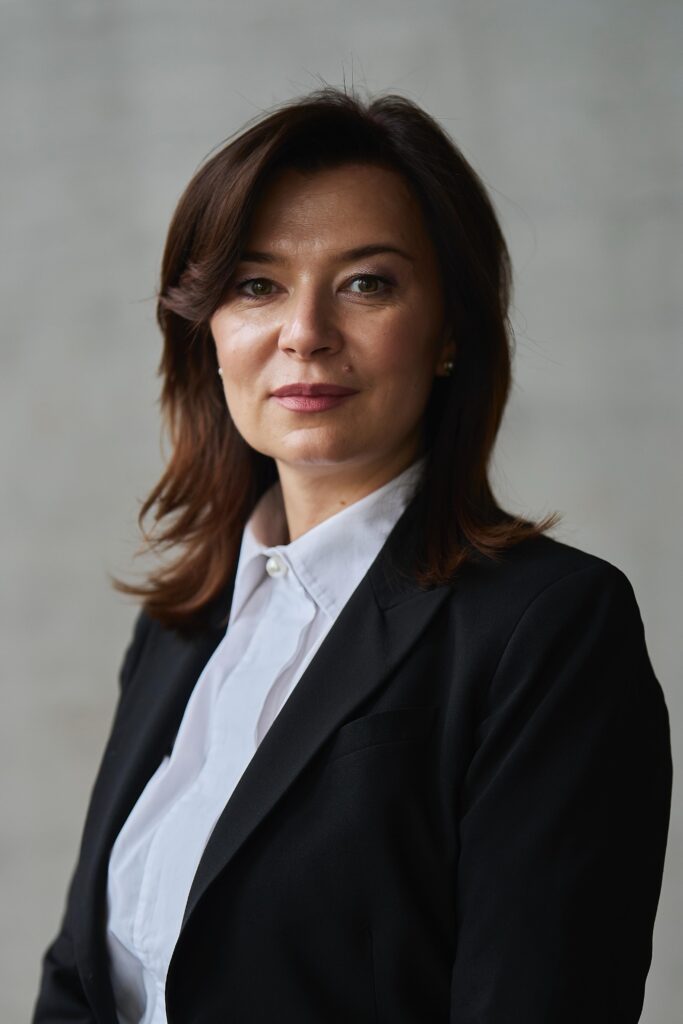
“The Zhytomyr incident may not be the last.
Ukrainian law does not define the role of a doctor. That means the state doesn’t recognize them as legal subjects — and therefore, doesn’t protect them. This is the root cause of why doctors feel powerless in the healthcare system. That’s why medical professions must be self-governing. A balanced system exists when, for example, clients can report lawyers to disciplinary commissions — and lawyers, in turn, have legal protection in case of wrongful detention. Ukraine has a functioning, albeit imperfect, legal profession. Doctors need the same kind of institutional body. The state should create a system where doctors can focus on preserving patients’ lives while being legally protected. This means granting them a special protected status that reflects the high responsibility of their profession.
Historically, doctors had strong influence and autonomy in society — which became a threat to Soviet authority. As a result, the state stripped them of professional independence, making them de facto property of hospitals. This imbalance persisted into post-Soviet Ukraine. Although most hospitals are under local governance, they remained informally controlled by the Ministry of Health through central funding and unwritten rules.Healthcare reform dismantled that vertical structure. Hospitals became municipal non-commercial enterprises with operational independence. The reform gave patients legal subjectivity — they are now protected by the National Health Service, which signs contracts with hospitals on their behalf. But are doctors subjects in this new system? No. We should have established some form of professional self-governance from the beginning — to create balance.
Let’s compare doctors to lawyers: both professions hold immense power over individuals in vulnerable moments. The state must not interfere in the confidential relationships between doctor and patient, just as it doesn’t between lawyer and client. But today, doctors are victims of the system. They lack influence over their professional and economic freedoms. In return, they receive fixed salaries and increased oversight.
For instance, when MSEC commissions were replaced, doctors were handed new responsibilities through so-called Expert Teams for Assessing Daily Functioning — with no consultation. Now the state wants to impose anti-corruption declarations for these doctors. This adds even more burden while further devaluing their roles. By stripping doctors of legal protections, the state places them at the center of all pressure: accountability, expectations, and public dissatisfaction. When society sees that such incidents go unpunished, it opens the door to more cases like Zhytomyr.” Tetiana Havrysh - co-founder and Strategic Development Director at Health Solutions Foundation
What Needs to Be Done
- Doctors must acknowledge their lack of legal recognition and demand systemic change. Until the legal status of physicians is addressed, their vulnerability will only increase.
- To protect themselves, doctors must develop communication skills for handling tense situations — and learn to provide legally sound, composed responses. When Ukrainian doctors undergo validation in Europe, they’re evaluated not just on technical knowledge, but also on communication.
- Important decisions should be shared with communities in advance — with full data, arguments, and open dialogue. This kind of transparency could have deescalated tensions in Zhytomyr.
- Medical facilities should also consider physical security — a responsibility shared with their owners.
- Patient representatives should be involved in hospital oversight boards or act as ambassadors for institutions and staff. Had a patient ambassador office existed in the Zhytomyr hospital, this situation might have been prevented.