How Ukrainian communities are shaping a new understanding of health — systemically, holistically, and locally
In 2023, together with OptiMedis and the Kharkiv Expert Group for Health Reform Support, our foundation launched the “Healthy Community” project. This project implements integrated care models in Ukrainian communities — a set of medical, social, and informational services for patients and their families. This approach involves not only treatment but also educational and preventive work.
Our goal is to “activate communities” by creating decision-making centers that give communities both control and the incentive to take responsibility for the health of their population.
Instead of the traditional view of healthcare as an exclusively medical domain, we propose to view health as a shared responsibility — one that encompasses spatial planning, education, ecology, social services, and a culture of mutual support.
The development of the “Healthy Community” concept began after the Revolution of Dignity, during the active implementation of the decentralization reform in Ukraine. Following this reform, we realized that redefining the approach to health and transforming the soviet-era legacy paradigm must start at the community level. Community decentralization enables the implementation of health programs tailored to the needs of specific local populations — taking into account demographic indicators, social factors, culture and traditions, environmental and other conditions.
However, Russia’s full-scale invasion in 2022 brought significant changes: increased migration, the emergence of new social groups and risk groups, and changes in demographic structures — these are new challenges for Ukraine’s healthcare system, which we are working to address together with communities.
Despite the war, we must already be thinking about the future and the kind of healthcare system that will support the preservation of human capital, the health of individuals, and their capacity for self-realization — for those who remain behind the front lines and those who will return from the battlefield. This project is an additional source of international analytical and expert support that allows us to realize our goals in the format of concrete panels and indicators, which communities can use in making decisions related to health. Viktoriia Tymoshevska, Executive Director of Health Solutions.
From Kinzigtal to Ukrainian Communities: Rethinking Health
In the mid-2000s, an innovative model of integrated healthcare — Gesundes Kinzigtal — was implemented in the Kinzig Valley in Germany. This model brought together doctors, insurers, and the local community to jointly manage population health. With its focus on prevention, service coordination, and patient engagement, the program achieved significant results: reduced mortality, improved quality of life, and cost savings.
It was there that the local network of family doctors, Ärztenetz MQNK, and the healthcare management company OptiMedis introduced a program that helps community members access medical and other services to care for their health — while reducing treatment costs. Experts from OptiMedis, including Dr. Manfred Zahorka, are advising participating Ukrainian communities in the project and sharing their experience working with integrated care models in Germany.
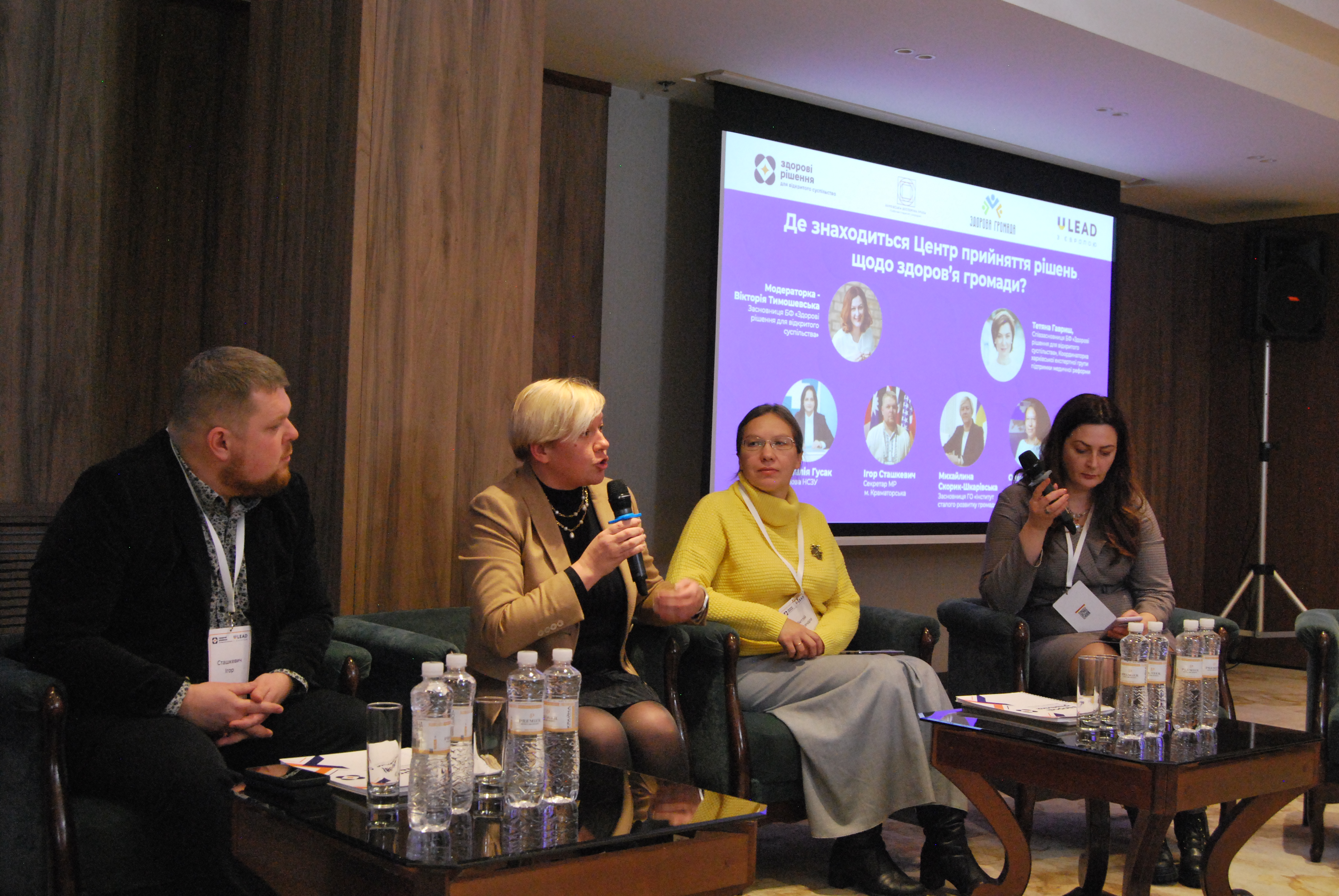
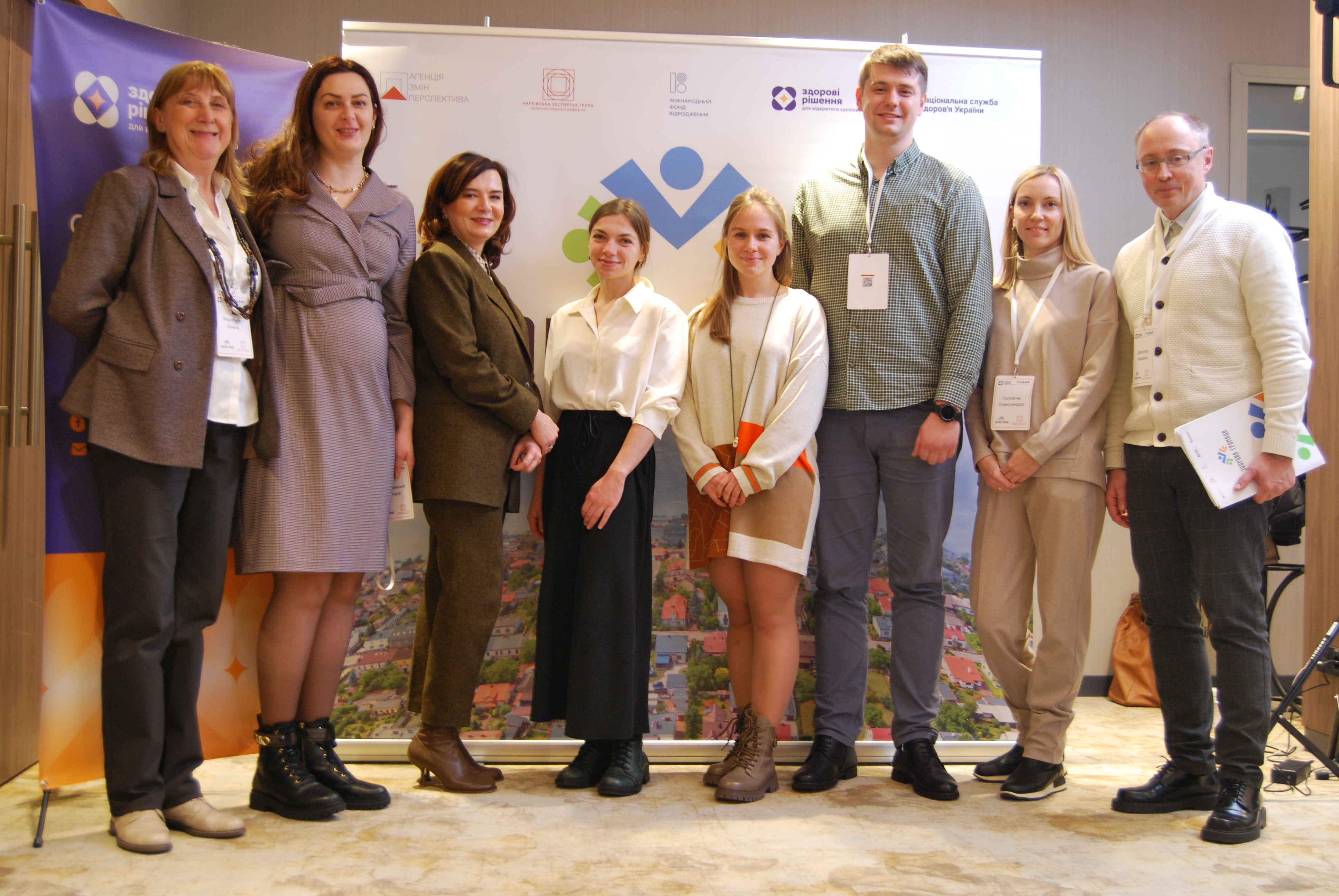
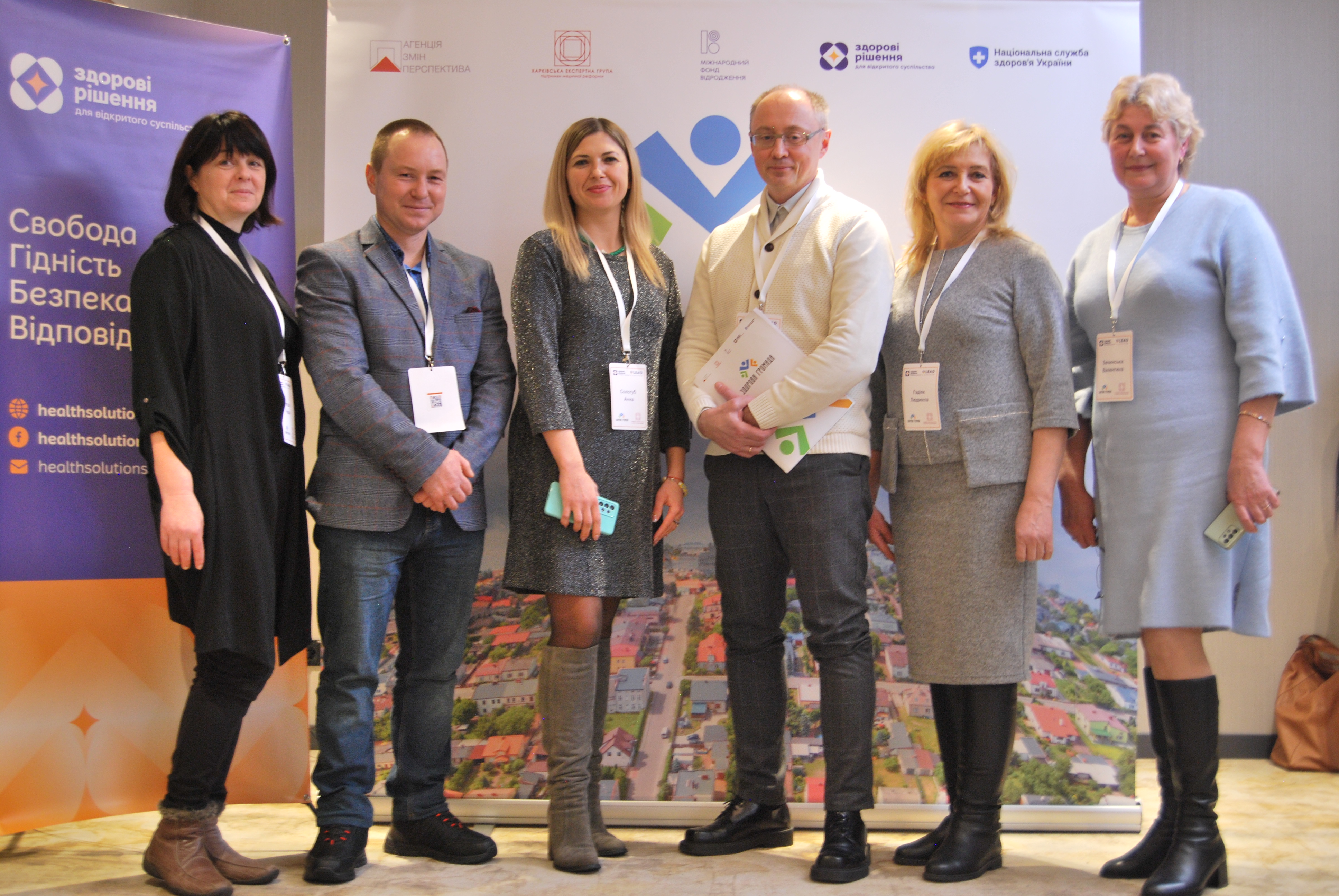
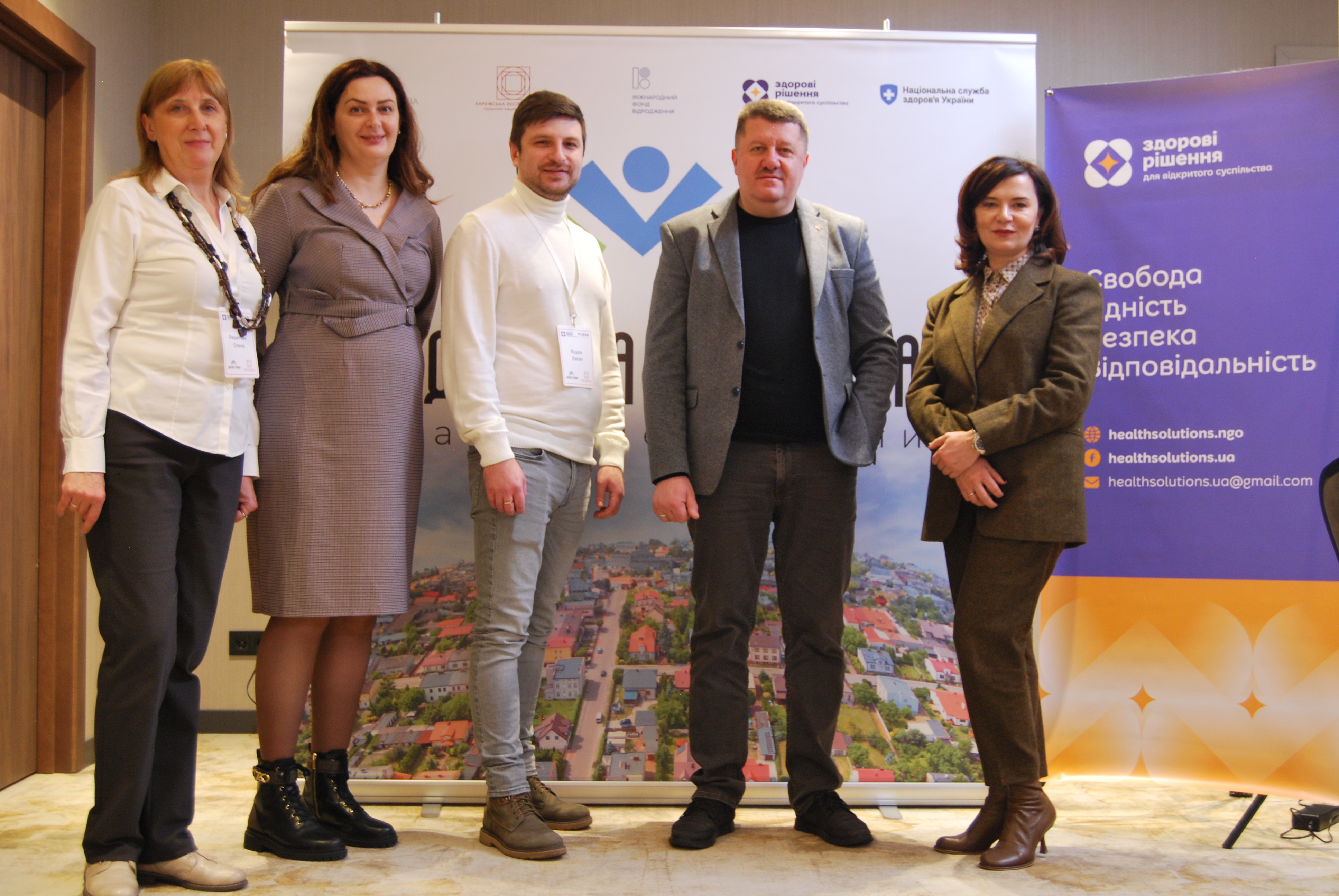
Viktoriia Tymoshevska, Co-Founder and Executive Director of Healthy Solutions Tetiana Havrysh, Co-Founder and Strategic Development Director of Healthy Solutions Dr. Manfred Zahorka, Senior Manager at OptiMedis
This approach inspired the Healthy Solutions team to create a Ukrainian adaptation of the model. In collaboration with German partners from OptiMedis AG and with the support of the U-LEAD with Europe program, we launched the Healthy Community project. When we talk about implementing the Kinzigtal experience in our communities, we must take into account the specific characteristics of Ukrainian society and the healthcare system.
Building a healthy community in Kinzigtal is based on the use of de-personalized patient data, collected from birth. In Ukraine, such conditions do not yet exist — health data from a private clinic is not shared with a public hospital, and vice versa.
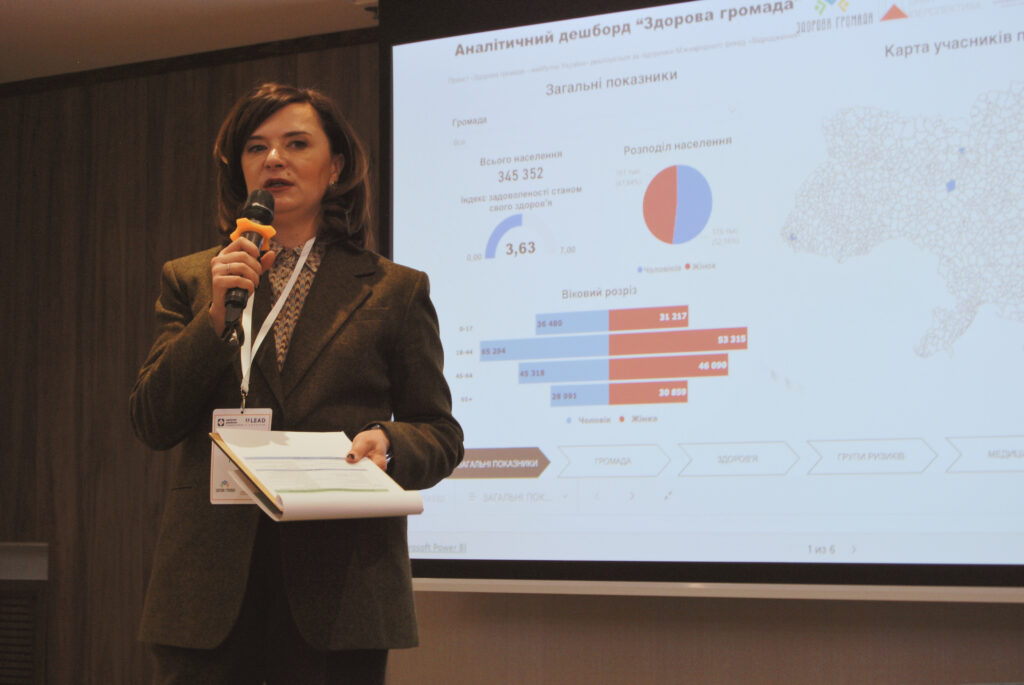
That’s why our Foundation, together with the National Health Service of Ukraine (NHSU) and five participating communities, has set out to develop a system for measuring health data — a dashboard which, based on the experience of individual communities, could eventually be scaled across the country.
What we are doing here is a laboratory for the whole country. Tetiana Havrysh, Co-Founder and Strategic Development Director of Healthy Solutions
Project Implementation
Together with project experts and consultants, the participating communities explored the principles and approaches of integrated care, learned ways to implement it locally, and worked with statistical and medical indicators relevant to their populations.
We selected five pilot communities to implement the project — each with its own unique regional and cultural characteristics and challenges related to the full-scale invasion:
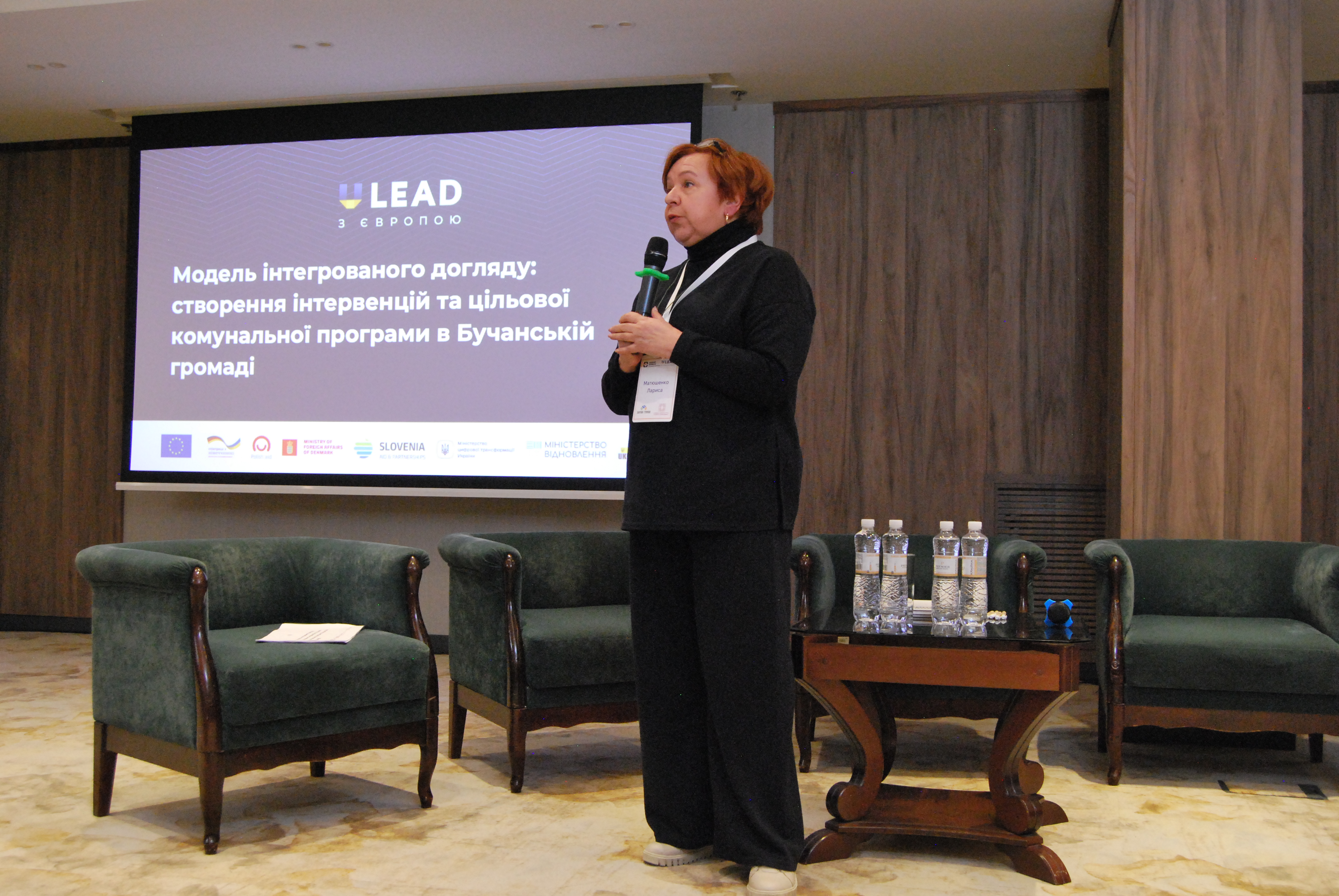
Bucha (Kyiv region) – recovering after occupation
Skvyra (Kyiv region) – host community for internally displaced persons
Kramatorsk (Donetsk region) – frontline area
Pervomaiskyi (Kharkiv region) – frontline area
Mykachevo (Zakarpattia region) – host community for internally displaced persons
Our work focuses on supporting communities, collecting data, and responding to the needs of the population.
We are piloting concepts, collaborating with doctors to find solutions and address problems. I deeply believe in cooperation and the sharing of best practices — almost any issue has already been solved by your neighbor. Mykhailo Dovhopol, Community Health Expert
Mykhailo Dovhopol facilitates and plans meetings with communities and experts in a way that maximally engages and motivates people to implement change.
Key Components of the Project
Sector integration: Bringing together healthcare institutions, educational establishments, social services, and community organizations for joint health management.
Nearly 80% of effective healthcare comes from non-medical interventions — prevention, nutrition, patient self-care, and creating conditions for physical activity, recreation, communication, and spiritual development. And it is these actions that communities can influence. Ihor Stashkevych, Secretary of the Kramatorsk City Council
Data collection and analysis: Creating dashboards to monitor public health and evaluate the effectiveness of implemented measures.
We aim to learn how to measure the level of disease within a community and, based on real data, define indicators that reflect the intervention process, the management of patients, and the quality outcomes of those interventions. It's also important for us to develop a model for managing non-communicable diseases that includes both medical and non-medical components. Oleksandr Vlasenko, Director of Family Medicine Center No. 1, Kramatorsk
At this point, reliable data that communities can use to make informed decisions simply doesn’t exist. Mykhailo Dovhopol
Educational campaigns: Conducting trainings, seminars, and information sessions to raise awareness about healthy lifestyles.
Community engagement: Organizing meetings, discussions, and workshops to include residents in the decision-making process.
A Comprehensive Approach
Studying the local context: Conversations with community representatives, analysis of local practices, challenges, and opportunities.
Co-designing solutions: Involving residents in developing initiatives through workshops, surveys, and meetings.
The health of the population is a measure of the success of the community as a whole. To improve it, we first need to understand the direction we should move in and identify the most pressing problems. In Skvyra, for example, diabetes is highly prevalent, often leading to other diseases and chronic conditions. Yet people rarely undergo preventive screenings — they usually seek help too late or self-medicate. What we need most is a mechanism to engage people in routine health checkups. To do that, we must first analyze the situation, gather data, and learn from other communities' experiences. — Yaroslav Pospelov, Representative of the Skvyra City Council
Developing local strategies: Designing healthy community models tailored to specific needs, values, and resources.
Communication and education: Campaigns, materials, and events that promote a modern understanding of health.
Summarizing the insights of participants, we can say that health is not just about the physical condition of residents — it reflects the cultural level of the population. It’s about a quality, fulfilling lifestyle, which becomes possible when individuals take responsibility for their health and the community supports them in doing so.
A healthy community is one where there are no lines at the doctor’s office, remarked one of the participants in a meeting in Pervomaiskyi.
Each of the five communities has gone through its own path of transformation, adapting the model to their local needs and challenges.
Results and Achievements
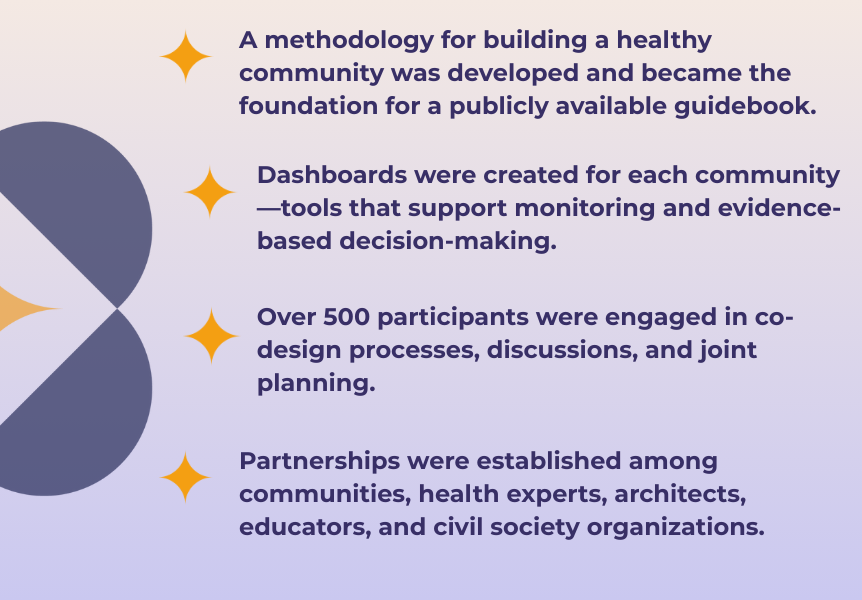
As part of the project, five Ukrainian communities established special working groups comprising representatives of local authorities, the public sector, healthcare providers, and business stakeholders to co-develop localized health management strategies.
Over the course of the project, more than 50 meetings were held with community representatives, experts, and residents. These discussions helped us gain a clear understanding of each community's specific needs and develop tailored strategies to improve public health. Among these were 11 expert consultations with community working groups.
At these meetings, we don’t talk only about medicine — and that’s key. The data we teach working groups to collect goes far beyond clinical indicators. It includes economic factors, social context, habits, and lifestyles. Oksana Dzhamm, Director of Bucha’s Primary Health Care Center
The symbolism of holding the first such dialogue in Bucha cannot be overstated — a city that, after de-occupation, was assessing its population by counting which windows still had lights on. This is similar to how our current understanding of public health still lags behind — much like our grasp of Bucha’s actual population immediately after the war. Tetiana Havrysh, Co-founder and Strategic Development Director at Healthy Solutions
As part of the project, 12 Diabetes School events were held in the participating communities — Bucha, Kramatorsk, Pervomaisk, Mukachevo, and Skvyra.
Together with nutritionists, psychologists, and physical trainers, we discussed how to prevent diabetes, what comprehensive prevention should look like, and how each of us can make informed health decisions.
In the past decade, the prevalence of diabetes — particularly Type 2 — has increased by 50% in Ukraine. Today, 2.3 million people live with the disease, but nearly 1 million remain undiagnosed.
The Diabetes School initiative was a critical step in strengthening national health. It brought together not just medical professionals, but those who need this knowledge most — people at risk of Type 2 diabetes. Mykhailo Dovhopol, Community Health Expert
The project also included community webinars and local health fairs.
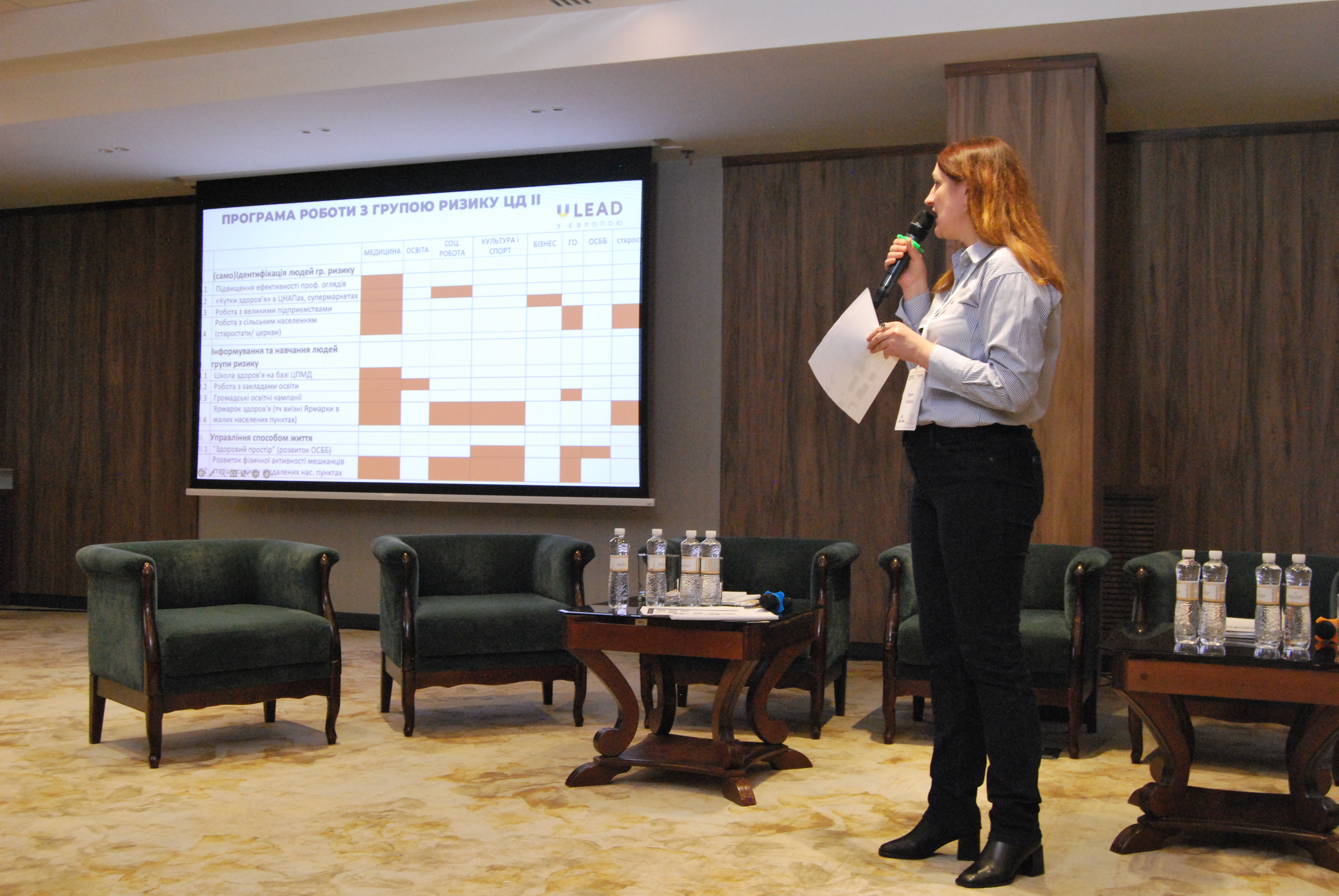
Prototype models of health integrators — local government bodies that bring together key actors from different sectors to address health issues — were launched in the communities. Our experts, together with German partners, are in constant communication with these groups to co-develop action plans. Pilot health programs were drafted, and priority intervention areas were identified.
Tangible Outcomes
Based on our work with the pilot communities, we developed a practical Community Activation Guide, which is now being used by other municipalities across Ukraine.
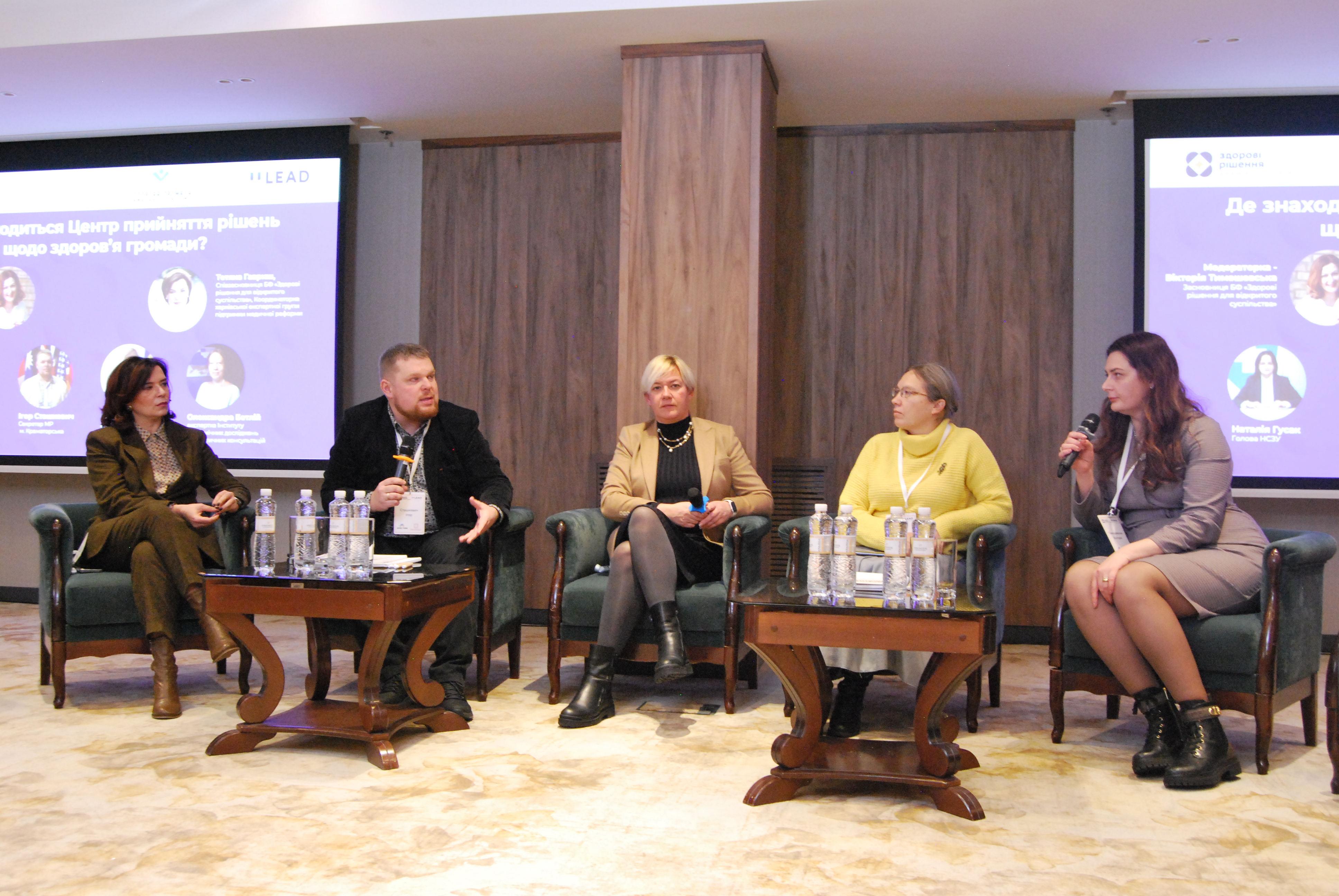
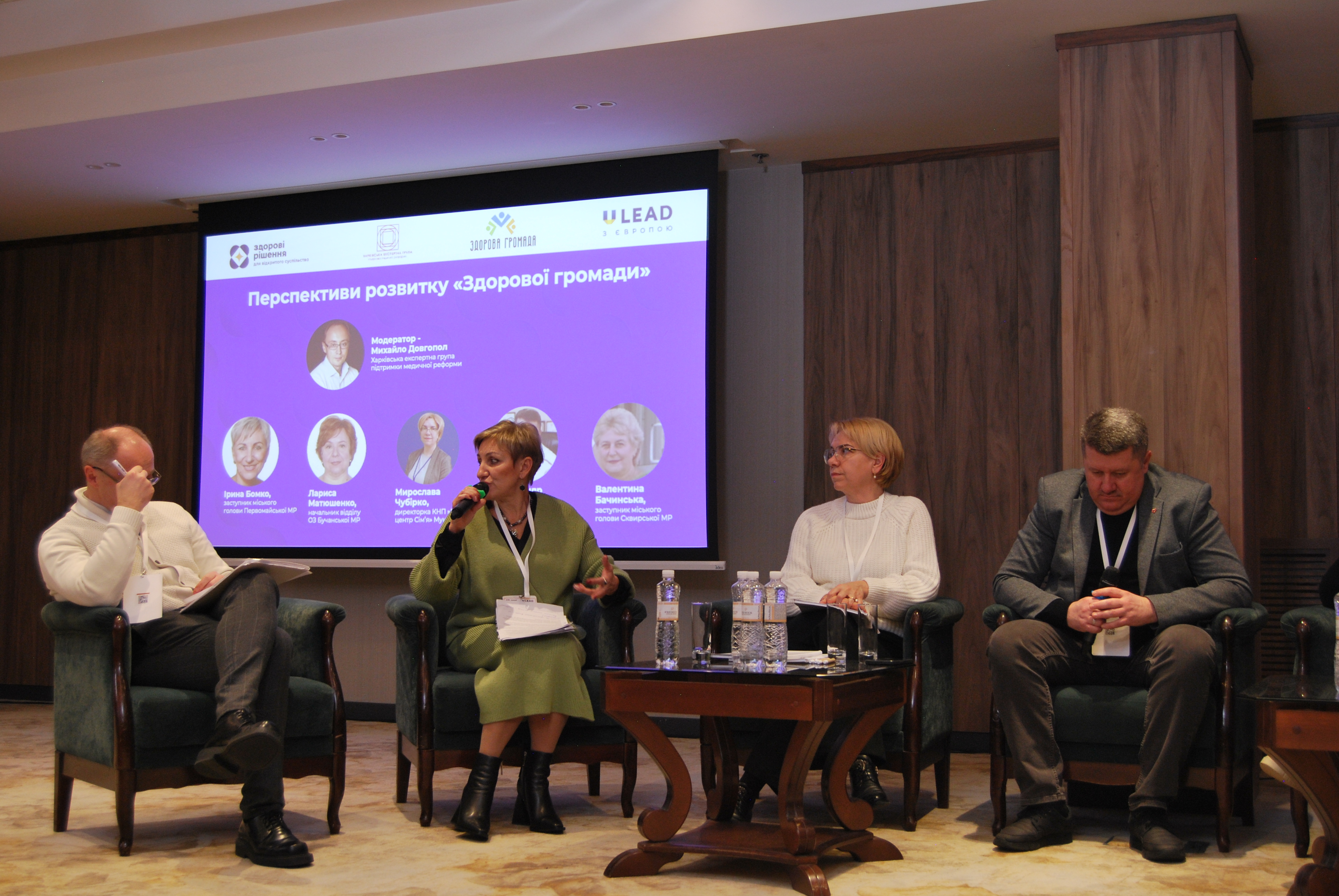
On December 14, we held the final conference, marking the end of this significant project phase supported by the International Renaissance Foundation. Over six months, and with support from ULEAD with Europe, Healthy Solutions implemented the project “Healthy and Resilient Communities.” Its goal was to establish “integrator” working groups in five Ukrainian communities: Bucha, Skvyra, Mukachevo, Kramatorsk, and Pervomaisk (Kharkiv region). These groups consist of local government officials, healthcare providers, educators, and civil society representatives. Their mission is to collect and analyze data on population health and recommend solutions to local authorities based on evidence.
Viktoriia Tymoshevska, Co-founder of Healthy Solutions
What’s most valuable to us is that this work took place in wartime conditions. Despite going through occupation and destruction, Bucha still looked to the future — thinking about how to become a place where people would want to stay. The same is true for front-line communities like Pervomaisk and Kramatorsk, where survival itself is a daily challenge. Viktoriia Tymoshevska, Co-founder of Healthy Solutions
Tetiana Havrysh, Co-founder and Strategic Development Director, Healthy Solutions
Our aim was to spark a movement within communities — one that would convince local governments to take a new approach to budgeting and health governance. A healthy community is the future of Ukraine. This movement needs to go viral. Tetiana Havrysh, Co-founder and Strategic Development Director, Healthy Solutions
Conclusions and Next Steps
The Healthy Community project demonstrated that local communities have both the capacity and the willingness to become key players in building holistic health systems. The project’s outcomes underscore the importance of multisectoral collaboration, community engagement, and adaptive planning tools.
Following the completion of the core phase, we launched a mini-grant competition to support local health initiatives. Civil society organizations and public institutions received up to €5,000 to implement their ideas. These grants helped communities continue their innovative efforts and ensure sustainable development at the local level.
The mini-grants have become a powerful tool, enabling communities to independently apply the skills and knowledge gained. They support grassroots innovation, strengthen local problem-solving capacity, and create conditions for long-term resilience. The funded projects focused on improving residents’ health and overall quality of life.
We continue to collaborate with the five pilot communities and are expanding our network. Four new communities — Yasynianska, Fastivska, Voznesenska, and Bashtanska — have joined the Healthy Community initiative.
Healthy Solutions has now launched the Healthy Communities Alliance to scale the approach nationally and share its methodology more broadly. Our goal is to engage at least 50 communities, creating a robust platform for the sustainable development of healthy, active, and empowered municipalities.